Archive for the ‘Content creation’ Category

How To Keep Your Readers’ Attention

 

desk

Getting someone to find your website is one thing. Encouraging them to read your content while they are there is something entirely different.

If you market your business online you probably spend hours producing content that is designed to promote you and your business and build links.

To target your audience you would have done a mountain of research to come up with a list of topics for your blog posts, articles and website copy.


Once you’ve uploaded your fantastic value-laden information and hit publish…

…absolutely nothing happens.

No matter how often you check there are no tweets (not even a re-tweet), no comments, no nothing.

Your immediate reaction is probably “Argh! My writing must really suck.”

But don’t despair – your style of writing is probably fine. It is more likely that the structure of your articles and blogs is leaving your readers bemused.

When writing for the web the best thing you can do is forget everything your dear old English teacher taught you.

You need to spend less time writing and more time thinking about how you structure your work.

Writing online

When reading from the web people tend to scan read rather than read every word.That’s because they are searching for information and if they can’t find it quickly, they’ll move on to another website.

So if you want to keep them engaged you have to rethink your writing style.

1. Snappy

The length of your writing should be just long enough to cover what you want to say without waffling.

If you’re writing about a very complex issue it may be worth breaking it down into several posts. Not only will that make it much easier for your reader to follow, it will also encourage them to come again for your subsequent posts.

Plus start at the end – with your conclusion. That might sound odd by that way you are immediately giving your readers what they want. The all you have to do is provide supporting evidence point by point.

2. White space

If your text is in one long wall of text or several long paragraphs it won’t look very inviting.

Lighten it by increasing the amount of white space on your page. Break it down into small paragraphs (no more than 3 or 4 sentences each). Or you could go really mad and use a single sentence paragraph.

3. Sub headings

Inserting informative sub headings between your paragraphs will help your reader get the gist of your post while they are scanning the page.

4. Bullets

  • Using bullet points creates interest
  • Highlights important points
  • Are instantly scan-able
  • Draw the reader’s eye as they break up the rest of the text

5. Links

By all means link to your own website through your posts but don’t forget external information sources too. This will show your reader that your information is well considered (and it may also generate a link from your source too).

6. Bold

Use bold text to pick out important concepts within your post. These, coupled with the sub headings, should help your reader fully understand the topic you are covering and whether it will be of interest to them.

7. Numbers

Some people have said that the days of the numbered posts—such as “8 Top Tips to Improve Your Copywriting” are gone. But reader’s still love them.

8. Check and check again

Before publishing read through your work to make sure it makes sense, This will also check for rhythm, typos and other errors.

Writing informative posts is one thing but if you want people to read them they must be presented in a way that:

  • Gets your concept over immediately
  • Looks attractive and readable
  • Gets to the point

Copywriting–Conveying Trust


cashIn any business relationship, trust is probably the most important factor. After all, if someone doesn’t trust you they’re not going to buy from you.

So, when you’re creating your marketing materials, your copy has to convince your readers that you are trustworthy.

Before I go on to explain how this can be achieved, I want to look at how you can build trust through blogging. The posts on your blog are very personal to you so your reader instantly connects with you because they feel they know you through your words. This is the exact type of connection your sales writing has to replicate. 

The problem is many people believe that if you fill your copy with hype and shout BUY MY PRODUCT NOW people will do as you ask.

Wrong.

We all have a natural resistance to buying. When asked to part with your money it’s only natural you become cautious.

To get your customers to buy you must prove you’re not a charlatan and you’re not going to rip them off. You have to convince them to trust you – not something that’s easy to do through text.

Here are a few techniques you can use to create copywriting that sells.

Tell them a story

Don’t rely on bold or colourful lettering when telling someone about your product – that won’t make them buy.

Everyone loves a story so use that in your copy to help build credibility. Tell them why you created the product weaving in your credentials (number of years experience, clients you’ve helped etc.) to your benefits driven copy.

By incorporating the benefits in this way you’ll instantly begin to break down their buying resistance.

Just by chance

Many people fall into business or stumble across a great idea for a product. If this is how you started tell your story. Show them the process you went through to bring your product to market and how it has helped others.

There’s no room for fairy stories in business so your story has to be true and credible if it’s going to work. This approach is an excellent way to make a human connection with your reader.

Case study

The case study is one of the most powerful sales tools there is. Writing about a client’s experience of your product/service will show the reader exactly what can be achieved. 

Boost your credibility by naming names, showing quantifiable results and using direct quotes from your customer.

As you can see, selling is about showing the benefits, breaking down resistance and convincing them to buy.

Once you’ve put your ‘sales pitch’ across don’t forget to add in your call to action to make sure they buy.

Content and Social Media

marriageJust about any copywriter you meet would have, at one time or another, uttered the words - content is king

So you know how important content is and you understand the importance of social media in today’s marketing strategies but do you know how to use them to optimal effect?

Content and social media – a marriage made in heaven

I spied a post recently on Social Media Examiner called How Content and Social Media Equal Marketing Success which investigates the union between content and social media.

The video interview with Jo Puilizzi (author of Get Content, Get Customers) points out the importance of content and how it must be written in conjunction with your social media strategy.

Start at the beginning

Before any business dips its toe in the waters of social media, it has to identify the online ‘hang outs’ of its customers.

Then its has to start having conversations with them. This relationship building is the foundation to all social marketing:

  • Talk to them
  • Find out what they’re looking for
  • Contribute to their conversations
  • Provide great information.

Done effectively, your customers will absorb your information (eBooks, white papers etc.) and spread them to others.

The video is about 12 minutes long but is well worth a watch so grab a coffee and discover how to make your content marketing go further.

The Copywriter’s Green Cross Code


orange traffic lightSTOP – LOOK – LISTEN

Those three words were probably drilled into you when you were a child.

You would also do well to remember them when copywriting.

That might seem a strange thing to say but when creating sales and marketing content, many people just dive straight in. That’s because it’s usually one of those jobs that is squeezed in between other projects.

And there’s the problem – content creation shouldn’t be seen as one of those jobs you have to fit in now and then. It’s vital for your business from an SEO perspective and for getting your message out to your audience effectively.

Stop

Before you start to put pen to paper or finger to keyboard, stop and think about what you are doing and why. Every piece of copy must have a purpose so ask yourself:

  • What is going to be the best platform for your message?
  • What do you want to achieve from your copy?
  • How do you want your audience to react?
  • What do you want to tell your audience?
  • What end result do you want to achieve?

Creating content is like creating a new product. You wouldn’t dream of making a new product without carrying out R&D first, so why just sit down and cobble together some half hearted sales copy?

Look

Although your content is important, so too is how it looks.

If it doesn’t have instant readability appeal, no one will read it. In which case there wasn’t a lot of point in writing it in the first place.

Using headings, subheadings, bullet points and images will make your content more attractive and accessible. A solid wall of text is a real turn off but a page with plenty of white space, bullet points and small chunks of text, is a far more interesting prospect.

Listen

You not only have to listen to the needs of your business and customers, you also need to listen to yourself.

Your content has to tell your reader what’s in it for them and represent the voice of your business.

Once you’ve written your content, read it out loud. This will help you make sure it flows, makes sense and will provoke an emotional response in your reader.

As you can see, content creation is much more than just stringing a few sentences together. A lot of thought, planning and shaping has to go into every piece of content you produce.

So remember - stop, look and listen before you publish.

How to Blog Eternal


cerealAre you a serial blogger?

You know, the type of person who churns out a post, forgets about it and then churns out the next.

The content you produce for your blog is very valuable so you must make the most of it. Unlike other forms of communication, a blog post won’t disappear or be used as tomorrow’s chip wrapper.

Once you’ve hit ‘publish’ it’s up to you to make the most of that content and keep it alive.

If you want a long shelf life on everything you post, follow these 6 simple steps.

1.  Follow up

The world is constantly changing so your original blog post may need updating at some point.

Rather than going back to it and adding new information, write a follow up post and link it back to your original one. This will help drive traffic to your existing content as well as add value to your reader by updating them on new ways of thinking.

2. Internal links

If possible, relate new posts to old ones by linking to them, especially if they are linked by subject or (as in the case of number 1) are providing extra/updated information.

3. Re-Tweet

Twitter and blogging go hand in hand. It’s a great way to promote your content to a wider audience and a way your readers can spread the word for you by re-tweeting it.

Plus, you can always breathe life into past posts by tweeting them from your archives, especially if their content is relevant to something happening in the news.

4. Repurpose content

As you’ve spent time creating the content in the first place, why not reuse it? Spinning it into an article will help get your name out there as an authority on your topic. Plus using keyword rich links back to your website will help your SEO strategy.

5. Optimise

SEO isn’t just for your web copy. By targeting specific keywords within your blog posts you can drive targeted traffic to your blog. Choose well and your blog post could remain a prominent fixture in the search engine results for a long time.

6. Newsletters

Companies that send out monthly newsletters often find it difficult to come up with content. Well, if you blog, why not use some of your posts as the basis for news and information?

All you have to do is use a snippet of the text and add a ‘read more’ link to take your reader to the original post. This is a great way to pass on valuable information and boost your blog’s readership.

Blogging generates great and valuable content so make the most of it.

Do you have any other ways of making the most of your blog posts? If so leave a comment and share your ideas with us.

Blogging–Optimising Your Posts


Blogging is an excellent way to boost your business’s online presence.

Yes it takes time but, believe me, it really does work. I’m a copywriter and have been blogging for several years now and it has really helped be cement my position within the Google rankings.

Blogging means you are constantly putting fresh content out onto the web. This constant content feeding generates traffic which is vital for your search engine optimisation strategy.

As you know SEO is all about getting found on the web for your chosen keywords. So by writing your blogs in line with your SEO strategy (i.e. using the keywords you want to be found for), you’ll attract readers and as a result, visitors to your website.

To help you get the most out of your blog posts and their SEO potential I have put together the following 5 tips.

1. Quality content

People want quality. They want to spend their time reading something interesting, informative and helpful. By adding value to them in this way, you’ll strengthen your relationship with them . That will keep them coming back for more and help build those very important back links.

2. Keywords

Of course great quality content is useless if you’re not targeting the right audience. Once you’ve written your post, read it and think about what terms your reader would use to search for it. The primary keywords tend to be quite obvious, but other terms are not so clear-cut.

There are various tools you can use to identify your keywords such as Google’s keyword tool. To find associated words, tools such as the Google Tilde search are useful but there is also another more visual tool you can use.

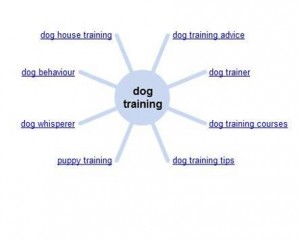
Try Google Wheel. When you’ve entered your search term into the Google search box, if you look to the left of your screen you’ll see Wonder Wheel.

GoogleWW

If you click on this it will produce a wheel diagram with your main search term in the centre (in this case ‘dog training’) with associated terms around it:

Googlewheel

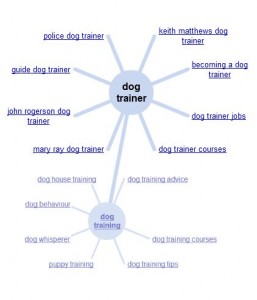
You can then click on any other outer terms to receive further results:

extendedww

3. META Titles and descriptions

The META title and description are there to tell both the reader and search engine spiders what your posts is about. If you use the WordPress.com platform for your blog you can use the All in one SEO Pack to specify these fields.

When writing your titles and descriptions make sure your keywords are near the beginning. There is also a character limit for each (Titles – 72, Description – 165) so you’ll have to carefully plan your words.

4. Links

Both internal and external links are important when writing your posts. Your internal links (utilising related keywords) link out to other posts, while external links take the reader to other related websites. In both cases make sure you use keyword rich links rather than something like ‘click here’ which has no value.

Your external links can also be used to encourage inbound links from other websites as ‘trackbacks’ inform that web owner you have linked to  them. Therefore they may in turn link to your posts.

5. URL

The last item on my list is your URL. This I the web address used to link to your post. Make sure you use your keywords within this as it will instantly show the relevance of your post.

Make sure it is meaningful.

By utilising each of these techniques and tools, you will produce meaningful, interesting blog posts that will be found through the search engines. Not only that, but by ensuring you create quality content you will attract links and build your reputation as an expert in your field.

Blogging is an excellent way of getting your voice heard.

Content Marketing–How to Make a Splash


question_mark1What is content marketing?

It’s all about building your reputation as an expert online. That doesn’t mean posting loads of mediocre articles and blogs in the vain hope that someone will read them. Content marketing is about providing quality, informative and interesting information that will add value to your readers.

The 3 elements of content marketing

If you want to excel at content marketing there are 3 things you have to do:

  • Create content that sells you
  • Write content that’s optimised for the search engines to increase its longevity
  • Repurpose your content and spread the word

Are you sitting there thinking – “What’s the point? It’s not as is anyone reads stuff like that anyway.”

If you think like that you’ll never get anywhere. Instead you have to think of your content as a huge loud speaker that will tell  the world how great you are, what an expert you are and that what you have to say is worth reading.

Once people start to see your content plastered all over the web they’ll think of you as a market leader, a giver of great information and will be more inclined to give you a call or drop you an email when they need your services.

In a nutshell - Content generation means you’ll get found

So what is content?

It can be anything: white papers, reports, articles, blogs, videos, FAQs, audio etc.

Creating content in a variety of forms will make sure you appeal to a lot of different audiences. Not everyone likes to get their information through reading, some prefer to listen or to watch – offering a range of formats will provide something for everyone.

Making your content great

1. Should it be promotional?

Nope – be subtle. If you are obviously selling something it’s going to come across as an advert rather than advice. Offering information positions you as an expert who is open and approachable. 

2. Be relevant

Make sure you know what your reader wants and give it to them.

3. Well-written

Engaging, well-written, interesting – get those 3 things right and you’re practically there. 

4. Relevant to your company

For arguments sake, let’s say you’re a copywriter. If you suddenly start writing about the latest engineering practices your audience is going to be left wandering what on earth’s going on. Make sure you write on topic within the realms of your expertise.

5. Shout about it

If you’re going to spend time creating content you have to promote it. Use everything you can — social media, PR, search engine optimisation. That way you’ll make it stand out so your audience can find it.

At the end of the day, if you want your content marketing to work make sure you:

  • Write regularly
  • Write well
  • Write relevant material
  • Promote it.

Getting The Most From Your Copywriter


How to brief effectively

The beginning of your relationship with your chosen copywriter is vital.

You’ve done your research; you’ve asked the right questions and you’ve found the perfect writer to help you with your project.

So what’s next?

Your copywriting need could be anything from website copy or brochure content to newsletter content or case studies. Whatever it is one thing remains the same – you must give your writer all the information they need to create your content.

I use a detailed pro-forma to extract the information I need. Sometimes my clients are so great they email me immediately with everything I could possible want to know about their company and product or service.

Other times I’m only given the barest of instructions. But that’s not enough.

What your copywriter needs to know

First up let’s take a look at what copywriting is.

My job is not to know your business better than you do. My job is to present your company, it’s products or services in the most eye-catching and compelling way possible.

Home grown copy (that which businesses write themselves) has a tendency to be all about the business and its achievements. The problem is, that’s not what your readers want. They want to know what you’re going to do for them.

Basically your copy has to be written from your customers’ point of view which is why investing in a professional copywriter is a must. Not only do they understand how to write powerful marketing copy, they can also view the company and its products/services from the customers’ perspective.

Just write it

The problem is, to be able to create the copy  your writer will need as much information as possible about your company, its services and products, its ethos as well as the tone you want to convey.

I have, on occasion, had clients that were aghast when I asked them for that type of information. They seem to think that providing me with it would equate to them doing my job for me.

Not true.

So I have explain that I’m good but I don’t have a crystal ball, I don’t know their company intimately so I can’t write fabulous copy just from their company name.

To illustrate my point consider this. You’re planning on getting married. You’re going to have your dress made for you, found the perfect designer and go and see them to get it started.

When you sit down with them you just say “Make me a wedding dress.”

They are unlikely to “OK”.

They’ll want to know:

  • What your measurements are?
  • Whether you want short or long
  • Do you want a straight dress or one with a full skirt?
  • What colour do you want?
  • Do you want a train?

And that’s just for starters.

You wouldn’t dream of doing this so why expect your copywriter to write amazing SEO website copy from your instruction “I want you to write my website – get on with it”.

A close relationship

The relationship between a copywriter and client should be a close one which is collaborative. You can bounce ideas from each other to develop the perfect copy.

The more work your copywriter does for you, the better they get to know your company. They’ll be able to offer suggestions and help you strengthen all aspects of your marketing.

A great copywriter should be seen as an asset and one that’s worth holding on to.  

Copywriting–Generating Ideas


lightbulbCopywriters are always having to come up with new ideas. Whether it’s for blog posts, client projects or for their own web copy, fresh and original content generation is a part of their daily life.

I’ve been working as a freelance copywriter for several years now and I would be love it if i could just sit at my desk in the morning and create an unlimited number of original ideas without any effort.

Wouldn’t that be great? Just think how easy it would make anyone’s life if they could simply produce idea after idea after idea. Never again would a project stump you, you’d write oodles of great blog posts, newsletter and email content would flow freely.

But the real world isn’t like that. In the real world we all suffer from writers’ block. How many times have you sat in front of your computer, stared at the blank screen only to realise your mind is equally as blank?

We’ve all been there – even me.

So how do you break the spell?

Well one way is to create a swipe file.

Idea generation – the swipe file

Now before you recoil in horror, a swipe file is not a means to plagiarism.

Your swipe file is a way of generating inspiration.

No doubt you get bombarded with emails and mail shots all trying to sell you something. Most of them you’ll bin or delete, but one or two may catch your eye. They are the ones to place in your swipe file.

If they caught your eye the chances are they also caught someone else’s.

Study it – what was it that made you read it? Was it the layout, headline, content, use of images?

This type of analysis will help you understand what techniques make people read something.

Make a note of them and gradually you’ll build up a reference library of great headlines, techniques etc., that will help you strengthen your own copy.

This ideas file (whether in physical form or held on your computer) will help trigger your creativity when the dreaded writer’s block strikes.

Remember though the material in your swipe file is there for inspiration and not to be copied.

Do you already have a swipe file? If so, what piece of marketing really caught your eye and why? Leave a comment and share it with us.

Related Posts with Thumbnails